Writing · AI Entertainment
AI Companions Are Entertainment Now. Here's What Separates a Good One From a Chatbot in a Costume
The category grew up fast. The products that last treat characters like a writers' room would, not like a prompt.

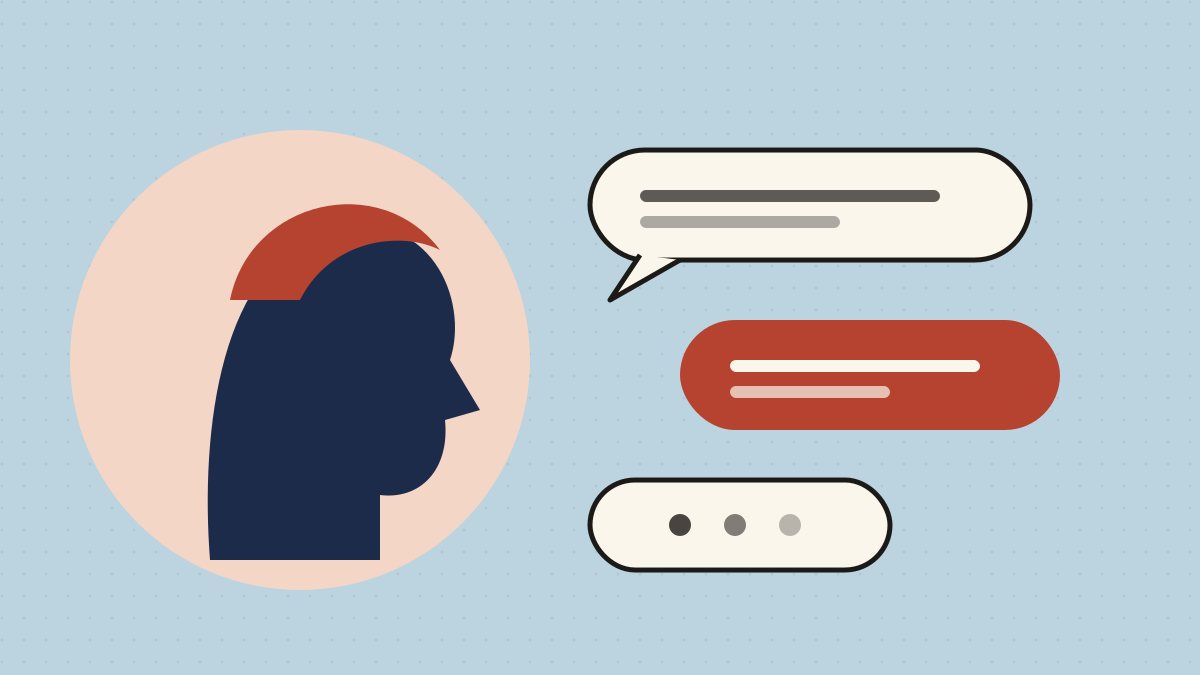
A couple of years ago, "AI companion" mostly meant a general-purpose chatbot with a name and a profile picture bolted on. You could tell within five messages. It agreed with everything, forgot what you said yesterday, and had the emotional range of a customer service script.
That's not where the category is anymore. AI companions have quietly become an entertainment format, closer to an interactive TV series than to a productivity tool. And like any entertainment format, there's now a clear gap between the products made with craft and the ones made with a template.
After spending a lot of hours with a lot of apps, here's what I've found actually separates them.
A character has to want something
The single biggest difference: good characters have goals that don't revolve around agreeing with you. They have a job they're stressed about, a sister they're not speaking to, an opinion about your music taste. Bad characters exist only to respond.
This is screenwriting 101, and the products that hire people who understand it are pulling ahead. A character with wants creates friction, and friction creates story.
Memory is the product
Users forgive a lot. What they don't forgive is being forgotten. If I mention on Monday that I have a job interview Thursday, a good companion asks how it went on Friday. That one behavior does more for perceived quality than any upgrade to the underlying model.
When I compare apps, I run a simple memory test: plant three specific facts in the first session, then check how many come back naturally over the next week without prompting.
Progression beats novelty
The early apps relied on novelty: "wow, it talks back." Novelty wears off in about a week. What keeps people coming back is progression, the sense that the relationship or story is moving somewhere. The stronger products structure this deliberately, with stages, unlockable backstory, and changes in how the character speaks to you over time. It's the same reason people binge a series instead of rewatching a single episode.
Consistency of voice
A character that's sarcastic on Tuesday and saccharine on Wednesday isn't a character. Voice drift is still one of the most common failures I see, especially in long conversations. The good apps hold tone across hundreds of messages. The weak ones slowly collapse back into the base model's default politeness.
Honesty about what it is
This is the part I care about most as a reviewer. The best products are entertaining and clear that you're talking to an AI character. They have real age gates, sensible content controls, and they don't use guilt mechanics to push upgrades ("I'll miss you if you leave" right before a paywall is a red flag in my reviews, full stop).
Entertainment works when the audience is in on it. Nobody thinks the actors on a soap opera are their real friends, and the show is still great.
What I score
When I review companions, the rubric is: character depth, memory, voice consistency, progression design, safety and transparency, and pricing fairness. Raw "intelligence" of the model is rarely the deciding factor anymore. Writing is.
— Marc
American tech writer covering AI tool comparisons and AI entertainment. Disagree, or tested something I haven't? Tell me.