Writing · Industry
Who Owns the Character? A Plain-English Look at AI Personas and Rights
AI characters are becoming products, brands, and sometimes stars. The rules about who owns them are still catching up.
Quick note: I'm a tech writer, not a lawyer. This is an overview of the questions people in the industry are asking, not legal advice. If real money is on the line, talk to an IP attorney.
AI-generated characters have gone from novelty to inventory. Studios build rosters of them. Creators build followings around them. Apps sell subscriptions to talk with them. Which raises a deceptively simple question: who owns a character that a machine helped make?
The human authorship question
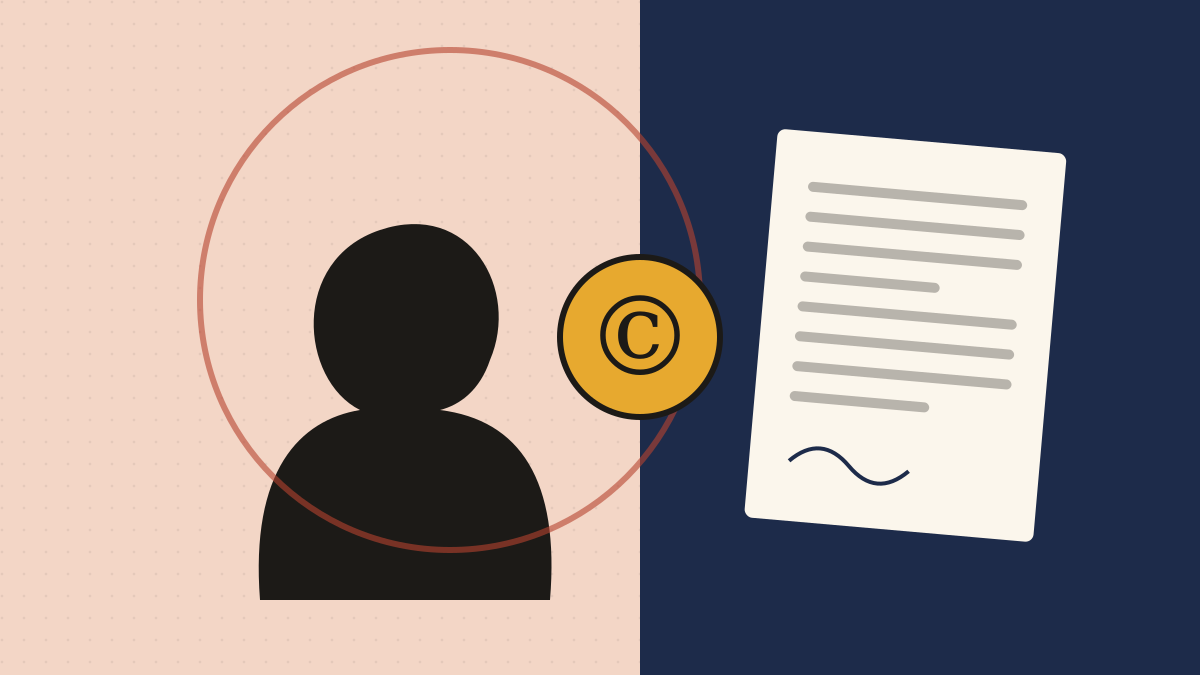
In the US, copyright protection has generally been tied to human authorship. Purely machine-generated output has a weak claim to protection on its own. But very few commercial AI characters are purely machine-generated. Someone wrote the backstory, designed the personality, selected and edited the images, wrote the defining dialogue, and made hundreds of creative choices.
The more documented human creative work goes into a character, the stronger the position of whoever did that work. Practical takeaway for creators: keep records of your creative process. Drafts, design documents, iteration history. They matter.
The platform's terms
Separately from copyright, the tool you used has terms of service that say who gets rights to the outputs. Most major tools grant users rights to outputs, at least on paid plans, but the details vary and change. Read them for the specific tier you're on.
Likeness and voice
This is the area moving fastest. Creating a character that resembles a real person, or uses a voice cloned from one, runs into right-of-publicity laws, which vary by state and country, plus a growing set of laws aimed specifically at digital replicas. The industry norm forming around this is clear: get explicit consent, get it in writing, and define exactly how the likeness can be used.
Style versus character
Generating art "in the style of" something is a different, more contested question than copying an existing character. Producing a recognizable existing character, even with tweaks, is the clearest way to get into trouble. Original characters are both safer and, frankly, better business. You can't build a brand on someone else's property.
What I'd tell a studio building AI characters
- Design originals, with real human creative input, and document it.
- Check the output terms of every tool in your pipeline.
- Never base a character on a real person without a signed agreement.
- Be transparent with users that characters are AI.
The legal frameworks will keep evolving. The companies that act like these principles are already law will have the least to clean up later.
— Marc
American tech writer covering AI tool comparisons and AI entertainment. Disagree, or tested something I haven't? Tell me.